
Preparing your child for Florida early childhood education and Pre-K in Miami is one of the most meaningful steps parents can take when starting a new school journey.
Families relocating to Miami, Coral Gables, Coconut Grove, Brickell, South Miami, or Miami Beach often want to understand how Florida’s early learning expectations work and what schools look for in young learners.
Since the structure of Pre-K and Kindergarten varies across states and countries, learning the expectations early helps children enter the classroom feeling confident and ready.
At Miami School Advisors, we guide families through school readiness benchmarks, early learning requirements, emotional development, and social expectations.
With the right support, children can transition smoothly into Florida’s early education system and begin their academic journey on a strong foundation.
Why Early Childhood Preparation Matters in Florida
Early childhood is one of the most influential periods in a child’s development. In Florida, more than 1.3 million children ages 0–5 live across the state, and around 70 percent have all available parents in the workforce.
This means millions of families rely on preschools, early learning centers, and Pre-K programs to support children’s development and prepare them for classroom environments.
Florida’s early education system is extensive, serving more than 380,000 young learners across publicly funded early learning initiatives, including VPK, School Readiness, and Head Start.
With such a large population of early learners, schools have established clear standards for readiness, developmental progress, and academic alignment.
Understanding Florida’s Pre-K and Early Learning Expectations
Florida focuses on whole-child development, which means readiness extends beyond recognizing letters or numbers.
It includes emotional maturity, adaptive behavior, communication, motor development, and early problem-solving.
Below is a complete overview of the key components Miami-Dade schools typically evaluate. Many of the elite private schools such as St Thomas Episcopal, St Stephen’s and St Philips Day School which offer Pre-K will conduct playbase admission testing or assessments in which they will be measuring these key components.
1. Early Academic Readiness Skills for Miami Pre-K and Kindergarten
Letter, Sound, and Number Recognition
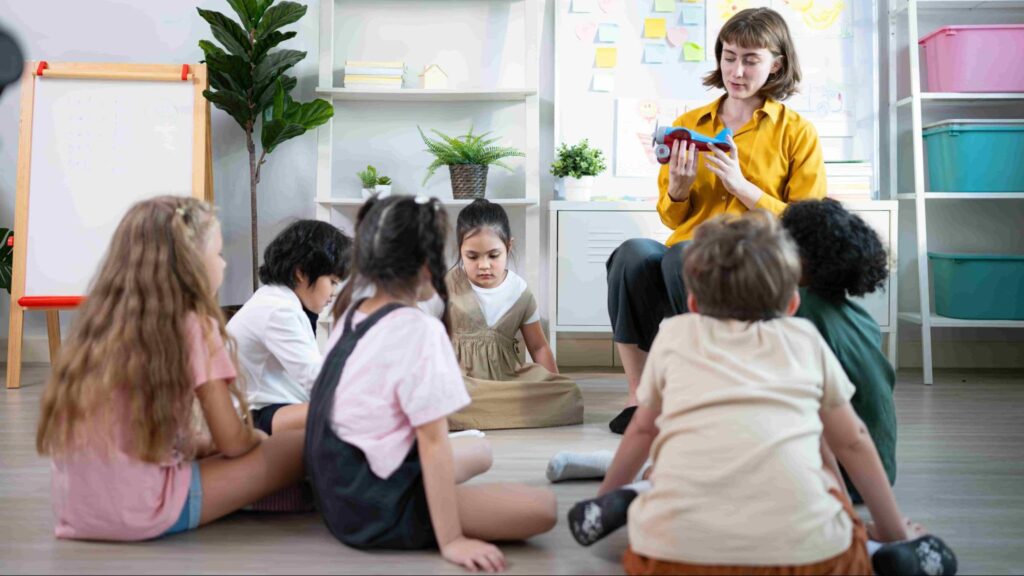
Early childhood classrooms in Miami introduce young learners to the foundations of literacy and numeracy through playful exposure, storytelling, and hands-on activities.
Before entering Pre-K or Kindergarten, it helps when children have already interacted with these basic concepts in everyday life, since familiarity creates a smoother transition into early academic routines.
These early concepts often include:
- identifying letters
- recognizing beginning letter sounds
- counting to ten or more
- identifying numbers
- recognizing simple patterns
Following Routines and Classroom Expectations
Miami’s early learning programs rely on simple, predictable routines that help children feel safe and ready to learn.
When children understand what to expect throughout the school day, they adjust more quickly to classroom expectations and group activities. Practicing small habits at home can prepare them to participate more confidently.
Foundational routine-based behaviors include:
- understanding and following basic rules
- listening during short group lessons
- completing simple tasks independently
- participating in circle time activities
- transitioning calmly between activities
2. Motor Skills That Support Classroom Success
Early childhood classrooms rely heavily on both fine and gross motor skills. Children entering Pre-K or Kindergarten in Miami are encouraged to practice:
Fine Motor Readiness
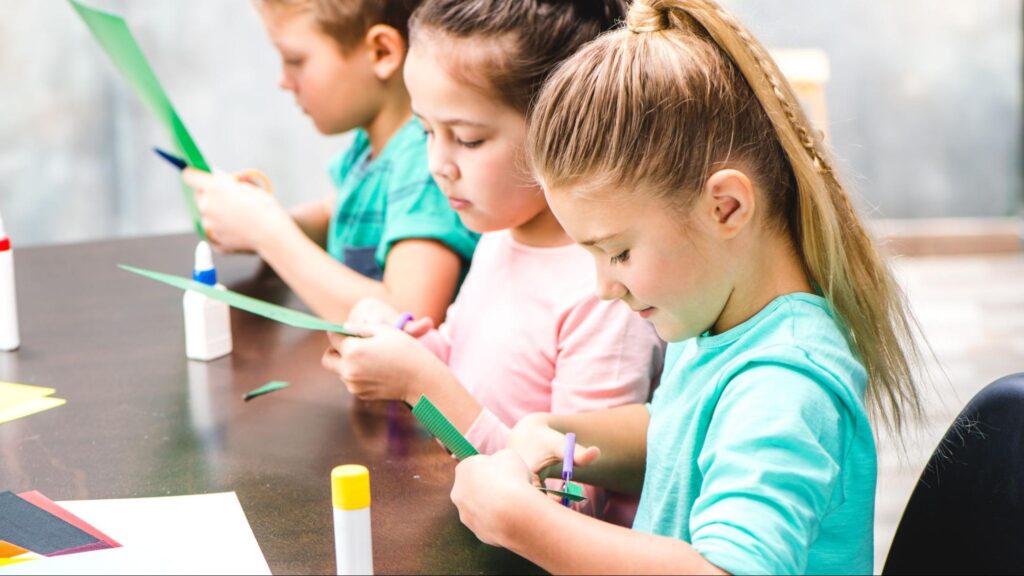
Fine motor development supports many everyday tasks children encounter in Pre-K and Kindergarten.
Miami teachers encourage activities that strengthen hand coordination and control, since these skills allow children to participate more comfortably in creative work and early writing experiences.
Common fine motor readiness skills include:
- holding crayons, markers, or pencils correctly
- using child-safe scissors
- building with blocks or manipulatives
- drawing lines, circles, and simple shapes
Gross Motor Readiness
Gross motor skills help children move confidently through both classroom and playground environments.
These abilities support balance, coordination, and physical awareness, all of which contribute to a child’s confidence during group play and movement activities in Miami’s early learning programs.
Examples of important gross motor skills include:
- climbing on playground structures safely
- balancing on one foot or walking on a line
- jumping, running, and skipping
- participating in simple group games
Preparing for Social and Emotional Development in Miami Pre-K Programs
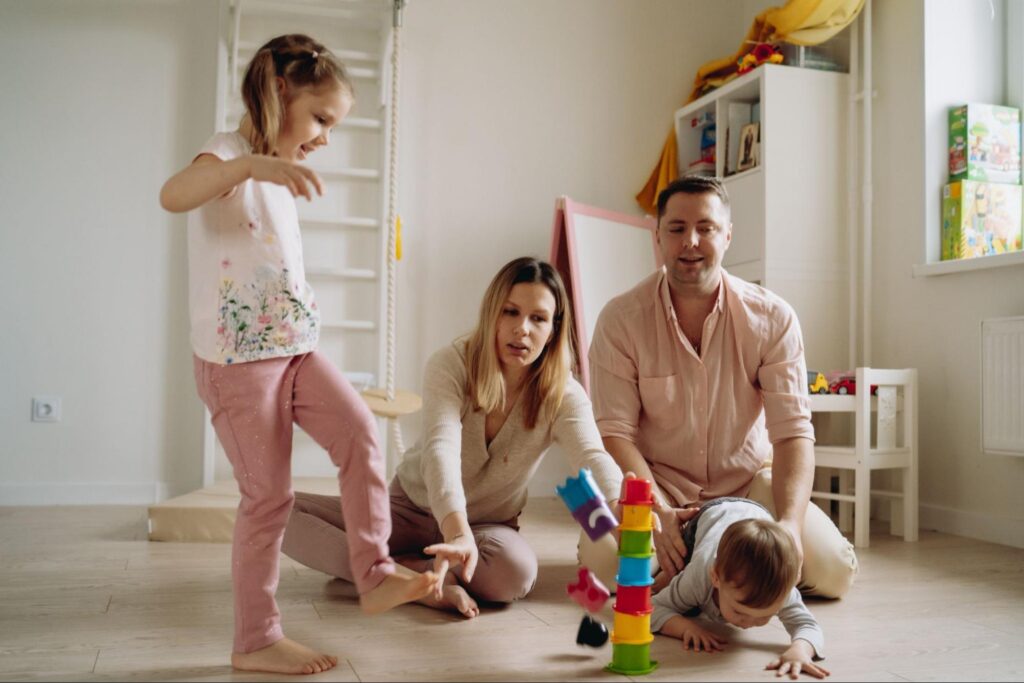
Social and emotional readiness is a key part of early childhood success, especially for families settling into Miami’s diverse and dynamic communities.
Schools across Coral Gables, Coconut Grove, Brickell, and nearby neighborhoods value environments where young children feel safe, supported, and understood.
Focusing on social development and emotional confidence before starting Pre-K allows children to connect more easily with teachers, peers, and new routines.
Building Social Skills Before Starting School
Early social skills create the foundation for positive interactions and cooperative learning.
Miami’s early childhood programs encourage children to engage with peers, communicate their needs, and participate in shared activities.
When children develop these skills at home or in community settings, they often transition into the classroom with greater comfort and ease.
Helpful early social skills include:
- turn-taking
- sharing toys or materials
- expressing feelings with simple words
- participating in playgroups or family activities
These small but meaningful skills help children build friendships, navigate group play, and feel more confident in collaborative learning environments.
Emotional Readiness and Self-Regulation
Beginning Pre-K is an exciting milestone, yet it can bring big emotions.
Emotional readiness helps children adapt to new surroundings, manage challenges, and communicate their needs.
In Miami Pre-K programs, teachers support emotional development through predictable routines, comforting language, and early SEL activities.
However, early exposure at home can make the adjustment even smoother.
Children benefit from practicing how to:
- recognize basic emotions
- use simple calming strategies
- ask adults for help
- take a break when they feel overwhelmed
These early tools lay the groundwork for resilience and strong emotional health.
Creating Routines and Reducing Separation Anxiety
Predictable routines are incredibly grounding for young learners. When children know what comes next, they feel secure and ready to participate.
Miami Pre-K classrooms follow consistent schedules, so practicing small daily routines at home can greatly reduce first-day stress.
Home Routines That Build Confidence
Children who practice independence and simple responsibilities at home tend to feel more prepared when they enter a structured school environment.
These routines help children understand expectations and build a sense of accomplishment.
Parents can reinforce readiness by encouraging:
- consistent morning routines
- opening or preparing simple snacks
- cleaning up toys after play
- following bedtime schedules that allow for adequate rest
These habits offer children stability, which makes the first weeks of school smoother and more predictable.
Managing Drop-Off and Separation Challenges
It is very common for young children to feel nervous during school drop-off, especially when they are entering a new environment.
Teachers in Florida’s early learning programs are trained to support children through warm greetings, visual schedules, and gentle transition strategies.
With a little preparation, families can ease these tender moments.
Parents can help by:
- keeping goodbyes short and reassuring
- maintaining a consistent drop-off routine
- talking positively about the school day
- reminding children that they will be picked up on time
With patience and consistency, children begin to feel secure and confident during morning transitions.
Play-Based vs. Academic-Focused Programs
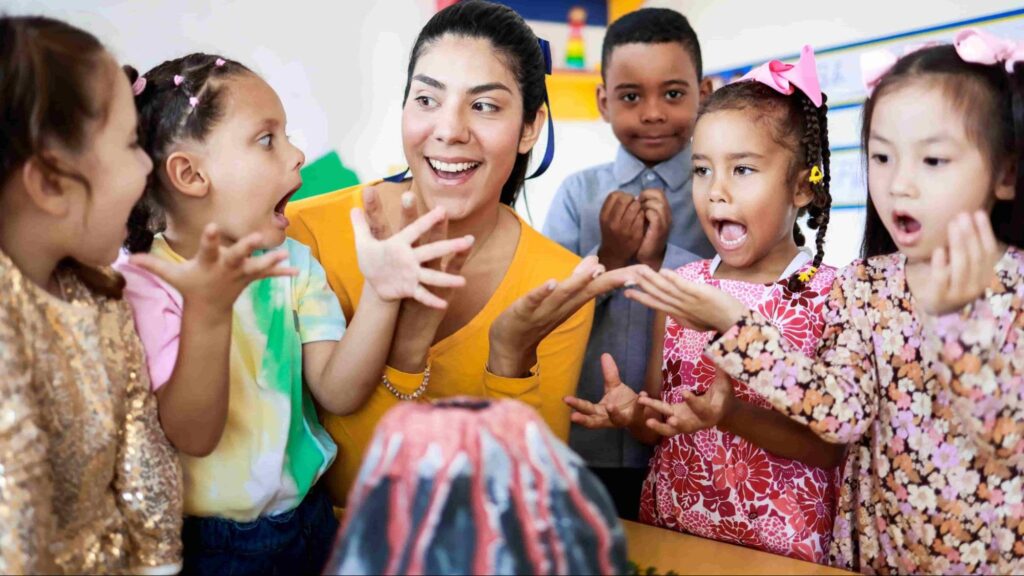
Different schools take different approaches to early learning, and both can be beneficial depending on the child.
Having clarity about each style helps families make informed decisions.
Play-Based Learning
Play-based classrooms nurture learning through exploration, imagination, and movement.
Children build cognitive and social skills naturally through storytelling, pretend play, sensory activities, and hands-on discovery.
Academic-Focused Programs
These settings introduce early academic skills more intentionally, yet still rely on interactive, age-appropriate methods.
Children engage with early literacy, math concepts, and structured routines that prepare them for the expectations of Kindergarten.
Miami School Advisors works closely with families to compare these options, identify strengths, and guide parents toward programs that support their child’s developmental stage and long-term academic goals.
Helping Your Child Thrive in Florida’s Early Education System
Beginning Pre-K or Kindergarten in a new city is an exciting experience that comes with many questions.
When families relocate to Miami, Coral Gables, Coconut Grove, Brickell, South Miami, or nearby neighborhoods, understanding school readiness and early childhood expectations can make the transition much easier.
With clear guidance and expert support, parents can help their children feel prepared, confident, and eager to learn.
Miami School Advisors partners with families to review readiness skills, explain local program expectations, and offer personalized recommendations based on each child’s needs. In addition, we work with families to best prepare their students for the rigorous admission processes for competitive private schools, including Gulliver, Riviera Prep, St. Stephen’s Episcopal School and many others. Many of these schools will have extensive applications and requirements for admission, including observations for Early Childhood spots.
If you would like help choosing the right early childhood program for your child or understanding readiness requirements, our team is here to support every step of your educational journey.
FAQs About Preparing for Florida Early Childhood Education and Pre-K in Miami
What age does my child need to be to start Pre-K in Florida?
Florida’s Voluntary Prekindergarten Program (VPK) is available to all children who turn four years old by September 1st of the school year. Families in Miami can choose between school-year programs or summer accelerated options. Enrollment is free for all eligible children, regardless of income or immigration status, and parents can select from public schools, private centers, and accredited early learning providers.
What documents are needed to enroll my child in a Miami Pre-K or early learning program?
Most Miami-Dade schools request:
- birth certificate or passport
- proof of residency (lease, home purchase, or utility bill)
- immunization records (Florida form DH 680)
- physical exam form (Florida form DH 3040)
- VPK certificate (if enrolling in the VPK program)
Schools may ask for additional documentation depending on the program.
Do Miami Pre-K programs follow the same curriculum statewide?
While daily instruction varies across schools, all programs align with Florida’s Early Learning and Developmental Standards, which outline expectations in literacy, math, social-emotional development, motor skills, and early problem-solving. Private schools may offer enhanced or specialized curricula, but they still integrate Florida’s core readiness expectations.
Are play-based programs as effective as academic-focused programs?
Yes. Research shows both approaches support early learning when classrooms are developmentally appropriate. Play-based classrooms help children build creativity, social skills, language, and emotional confidence. Academic-focused programs introduce literacy and math concepts more directly. The best choice depends on your child’s learning style, temperament, and readiness. Miami School Advisors helps families compare both options to find the right fit.
What should I do if my child experiences separation anxiety at drop-off?
Separation anxiety is common and usually temporary. You can ease the transition by:
- creating a consistent morning routine
- keeping goodbyes short and reassuring
- practicing short separations before the first day
- maintaining a calm, confident tone
Teachers in Miami Pre-K programs use visuals, welcoming rituals, and gentle support to help children adjust quickly.
What are the differences between private, public, and charter early learning programs in Miami?
- Public Pre-K follows district standards and offers structured routines and certified instructors.
- Private Pre-K may provide smaller class sizes, specialized curricula, or faith-based programs.
- Charter Pre-K blends public funding with unique school philosophies or academic approaches.
Each option offers distinct advantages depending on the child’s needs and the family’s goals.
How can Miami School Advisors help with early childhood placement?
We support families with:
- school readiness evaluations
- understanding Florida’s expectations
- comparing play-based and academic programs
- navigating waitlists and admissions
- preparing children emotionally and developmentally
- offering personalized recommendations based on each child’s unique needs
Our expertise helps families feel confident and supported during every step of the early learning journey.
Note: The information provided is for general guidance and may be subject to change. While every effort has been made to ensure accuracy, Miami School Advisors is not responsible for any errors, omissions, or changes in policies or requirements. Families are encouraged to verify details directly with the appropriate school or district or contact Miami school Advisors for more information.
