

A New Chapter, A Big Decision
Relocating to Miami brings new opportunities for families, but before buying a home or unpacking boxes, one question usually comes first: What about the schools?
Finding the best school in Miami can be a complex process, especially for parents who are new to South Florida. With so many private, public, and charter schools across Miami-Dade, Broward, and Palm Beach counties, the choices can feel endless.
In this episode of Better Decisions, school advisor and mentor Valeria Avirett shares how she helps families turn confusion into confidence. With over eight years of experience guiding parents through Miami’s competitive school system, Valeria provides expert advice rooted in independence, empathy, and local expertise.
From a Personal Journey to a Trusted Consulting Practice
Valeria’s story began when she returned to Miami with her two young children. As she searched for schools, she realized there was no independent service helping families understand their options.
Every real estate client she met asked the same question about education, yet there was little unbiased support available.
Seeing this gap, Valeria launched her own consulting practice. Today, she has built a respected advisory model that supports families from Pre-K through high school.
Her approach is entirely independent. She does not accept commissions or referral fees from schools, so every recommendation is based on what’s best for the child.
Her mission is simple: to help families make confident, informed decisions about their children’s education.
Understanding Miami’s Diverse School System
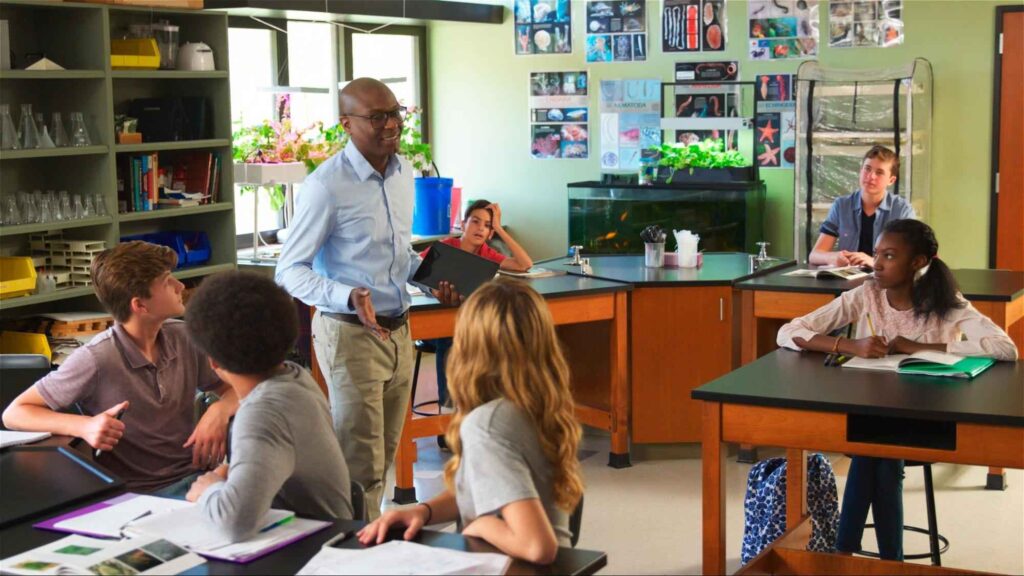
Miami’s education landscape is as dynamic and multicultural as the city itself. Families can choose from:
- Public schools in the Miami-Dade and Broward County systems
- Magnet programs focused on arts, science, and technology
- Charter schools with specialized academic models
- Private and parochial schools offering smaller classes and rigorous programs
Because the process is competitive, Valeria encourages families to begin researching and visiting schools at least six months before moving. Many private and magnet programs open applications in early fall, and spots can fill quickly.
For families balancing work, relocation, and parenting, early preparation helps reduce stress and ensures every child finds the right fit.
Private Schools in Miami: Balancing Excellence and Values
Miami is home to some of Florida’s top private schools, each offering a unique approach to academics and character development.
Among them are Ransom Everglades, Carrollton School of the Sacred Heart, Gulliver Preparatory, Palmer Trinity, Westminster Christian, Belen Jesuit, Riviera Schools, and Miami Country Day.
Private school tuition typically ranges from $40,000 to $45,000 per year, depending on the program and grade level. Families should also budget for extracurricular fees, uniforms, and transportation.
Admissions teams at these schools look beyond grades. They value curiosity, collaboration, and community involvement. Strong applications tell an authentic story about who the child is and how they’ll contribute to the school’s culture.
Valeria helps families identify schools that match their child’s learning style and family values while building realistic application strategies.
Public and Magnet Schools: Access to Excellence
Public and magnet schools across Miami-Dade and Broward counties offer high-quality education and diverse programs. For many families, these schools provide an ideal balance between academic rigor and accessibility.
Schools like Sunset Elementary, Carver Elementary, and South Miami Middle feature bilingual and arts-based programs. Coral Reef High School and Pinecrest Elementary are known for strong academics and specialized tracks in technology, music, and science.
Magnet programs often require an application and may use a lottery system for admissions. Valeria guides families through this process, helping them understand how to prepare documents, meet deadlines, and increase their chances of placement.
She reminds parents that every option, whether public, magnet, or charter, has value when it aligns with the child’s needs and the family’s lifestyle.
Charter Schools in South Florida
Charter schools have become increasingly popular in Miami for families seeking a focused academic environment without the cost of private tuition. These schools often specialize in STEM, performing arts, or bilingual education and are publicly funded but independently operated.
Because spaces are limited, Valeria advises families to apply early and be open to multiple schools. Her consulting process helps parents evaluate not only test scores but also the school culture, teaching philosophy, and extracurricular opportunities.
Managing Expectations and Building Confidence

Moving to a new city often brings uncertainty. Parents worry about missing deadlines, choosing the wrong school, or whether their children will adjust. Valeria helps families shift from stress to strategy.
She encourages parents to treat this journey as a process of discovery. Sometimes the first choice doesn’t work out, and that’s okay. With flexibility, communication, and clear priorities, families can always find the right match.
Her most important advice: “Success is not about prestige, it’s about fit.” Children thrive in environments that reflect who they are, not just where their parents think they should be.
The Emotional Side of Moving
Relocating affects the entire family, especially children. Research shows that frequent moves can increase anxiety in kids, particularly those entering middle or high school.
Valeria emphasizes the importance of emotional support during this transition. She helps parents view relocation as an opportunity for growth rather than disruption. A stable school environment can restore confidence and give children a sense of belonging.
Engaging with the school community through volunteering, sports, or clubs, also helps families integrate into their new surroundings and build lasting friendships.
How to Create a Family-Centered Education Plan
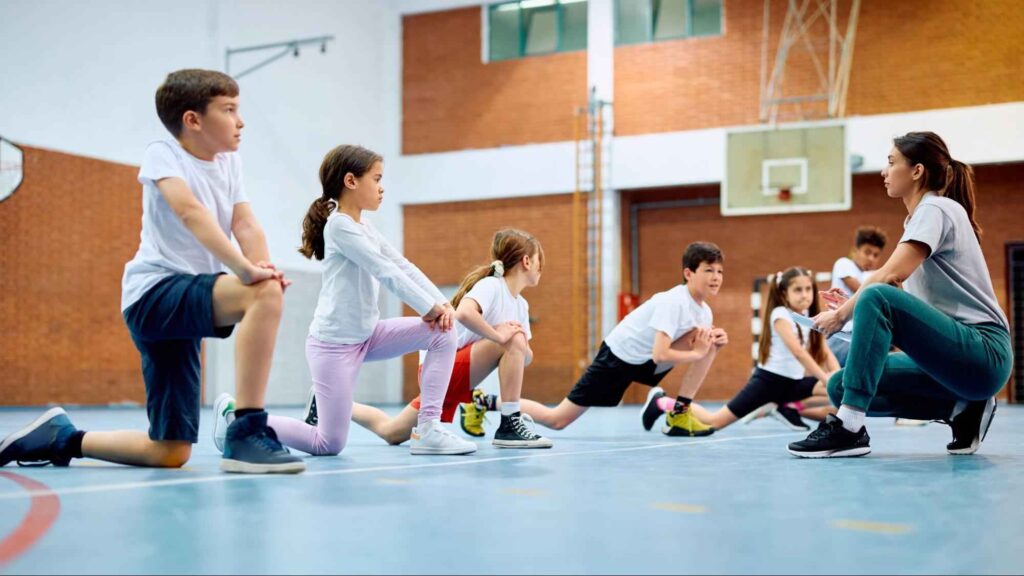
Every family’s situation is unique. Valeria begins by understanding each family’s budget, values, commute, and goals.
She encourages families to consider practical factors such as:
- Commute time (ideally under 30 minutes)
- Extracurricular options that fit the child’s interests
- Neighborhood safety and culture
- Long-term educational goals
A balanced routine is essential. Shorter commutes allow children more time for homework, rest, and hobbies. A family-centered plan creates harmony between academics and lifestyle, leading to happier and more resilient kids.
Building Belonging Through Community
In Miami, schools are not just classrooms, they are communities. Families often form lifelong friendships through their children’s schools.
Joining after-school activities, volunteering, or supporting local events helps families feel connected. Sports, arts, sailing, and music programs create a sense of belonging and make relocation smoother for children and parents alike.
Valeria believes that community is the heart of education. Finding a school that welcomes and supports families is just as important as academics.
Middle and High School Transitions
Middle school is often described as a roller coaster of emotions. From test prep to interviews, both students and parents can feel the pressure.
Valeria encourages parents to let children take ownership of the process. Whether preparing for SSAT or ISEE exams, writing essays, or meeting admissions officers, independence builds confidence.
Admissions decisions are not based on scores alone. Schools value qualities like kindness, teamwork, curiosity, and perseverance. Teacher recommendations and personal interviews help admissions teams see a student’s true potential.
Valeria reminds families that every stage of education is a step toward growth, not perfection.
Technology and Innovation in Miami’s Schools
Miami’s education system continues to evolve, embracing technology and creativity in learning. Many schools now integrate AI tools, coding, robotics, and project-based learning to prepare students for modern careers.
However, Valeria encourages parents to look for balance. Technology is a valuable tool, but it should not replace essential life skills like focus, discipline, and problem-solving. Homework, outdoor play, and collaboration still play a critical role in building confidence and resilience.
Families exploring new learning models such as micro-schools should ensure that these environments also provide social interaction and emotional development, not just digital innovation.
Finding Confidence in Your Family’s School Journey

Finding the best school in Miami is not simply about admissions or rankings. It is about choosing an environment where your child can grow academically, socially, and emotionally while your family builds a sense of belonging.
Through independent, transparent, and compassionate guidance, Valeria Avirett empowers families to make confident, informed decisions about their children’s education.
For any family relocating to South Florida, her message is clear: “The right school isn’t the most prestigious one. It’s the one where your child feels inspired to learn and your family feels at home.”
Frequently Asked Questions
When should I start looking for schools in Miami?
It’s best to start looking for schools six to twelve months before your move to Miami. Most private and magnet schools begin accepting applications in early fall for the following academic year, and deadlines can arrive much earlier than expected. Starting early gives you time to visit campuses, compare programs, and prepare documents such as recommendation letters or test results.
What are the main types of schools available in South Florida?
South Florida offers a variety of educational options for families relocating to the area:
- Public schools (zoned by neighborhood, free to attend)
- Magnet programs (specialized in arts, science, or languages)
- Charter schools (publicly funded but independently managed)
- Private schools (independent institutions with smaller class sizes and personalized education)
- Parochial schools (faith-based education, often Catholic or Christian)
Each type of school has its own admissions process, philosophy, and financial expectations. Understanding these differences helps parents make a well-rounded decision that fits both their child’s needs and their family’s lifestyle.
How much does private school cost in Miami?
Private school tuition in Miami typically ranges between $40,000 and $45,000 per year, depending on the grade level and school reputation. Families should also factor in additional costs such as uniforms, transportation, meals, and extracurricular activities. Schools like Ransom Everglades, Gulliver Prep, and Carrollton offer top-tier academics, but parents can also find excellent mid-range private options with smaller class sizes and strong values-based education.
What are magnet schools, and how can my child get in?
Magnet schools are public schools with specialized programs in fields such as performing arts, STEM, or languages. Admission is competitive and usually based on a lottery system or academic criteria. Families must apply within specific deadlines, often between October and January for the next academic year.
Examples include Coral Reef High School (science and arts) and South Miami Middle (fine arts and photography). To improve your child’s chances, start researching early, attend open houses, and complete all required forms carefully.
What factors should I consider when choosing a school in Miami?
When selecting the right school in Miami, look beyond rankings. Consider:
- Commute time (ideally under 30 minutes to avoid burnout)
- Budget and financial aid options
- Teaching approach (traditional vs. project-based learning)
- Extracurricular activities that align with your child’s passions
- School culture and how welcoming it feels to new families
Visiting schools in person is the best way to sense whether the environment feels right. Ask questions about class size, teacher experience, and community engagement.
What if my child doesn’t get into our top-choice school?
It’s completely normal for families to face rejection from a top-choice school, especially in competitive areas like Miami-Dade. Valeria Avirett encourages families to always have Plan B and Plan C schools ready. There are many excellent programs across South Florida where children can thrive academically and emotionally.
If an application isn’t successful, she helps families reassess their strategy, explore waitlist opportunities, and identify schools that are a better fit for the child’s strengths and needs. Staying flexible and positive is key to finding the right educational path.
How can I help my child adjust after moving to Miami?
Helping your child adjust after relocation starts with routine, community, and connection. Enroll them in after-school clubs, sports, or arts programs where they can meet new friends. Encourage open conversations about their feelings and celebrate small wins during the transition.
Valeria recommends parents get involved in school events early on. Whether it’s volunteering for a fundraiser or attending parent meetings, showing up helps both you and your child feel part of the community.
How does technology influence education in Miami’s schools?
Technology plays a growing role in Miami’s education system. Many schools now integrate AI tools, coding, robotics, and digital literacy into their programs. However, the best schools use technology as a tool for learning, not a replacement for creativity or critical thinking.
Parents should look for schools that balance digital tools with hands-on experiences like outdoor projects, the arts, and teamwork.
Why should I work with a school consultant in Miami?
A school consultant like Valeria Avirett helps families save time, reduce stress, and make informed choices when navigating Miami’s complex school system. She provides unbiased advice, since she doesn’t take commissions from schools, and tailors her recommendations to each family’s budget, goals, and child’s personality.
For relocating families, a consultant also bridges knowledge gaps about deadlines, neighborhood fit, and admissions interviews. Working with an expert ensures families enter the process prepared and confident, rather than overwhelmed.
Parents should look for schools that balance digital tools with hands-on experiences like outdoor projects, the arts, and teamwork.
What makes Miami a great place for families with children?
Miami offers more than top-rated schools. It’s a city full of creativity, outdoor living, and cultural diversity. Families can enjoy year-round sports like sailing, tennis, and soccer, along with bilingual programs that prepare children for a global future. The city’s communities, from Pinecrest to Coral Gables and Coconut Grove, offer warm, family-oriented environments where both parents and kids can thrive.
For relocating families, a consultant also bridges knowledge gaps about deadlines, neighborhood fit, and admissions interviews. Working with an expert ensures families enter the process prepared and confident, rather than overwhelmed.
Parents should look for schools that balance digital tools with hands-on experiences like outdoor projects, the arts, and teamwork.
Note: The information provided is for general guidance and may be subject to change. While every effort has been made to ensure accuracy, Miami School Advisors is not responsible for any errors, omissions, or changes in policies or requirements. Families are encouraged to verify details directly with the appropriate school or district or contact Miami school Advisors for more information.
